Why does the plane tilt so much after takeoff?
That moment when the wing dips and you're looking at the ground through the window can feel dramatic. Airliners turn by banking, the angles used are usually modest, and your inner ear can make a turn feel steeper or stranger than it is. Here's why.
In this article · 6 sections
How an airplane turns
An airplane doesn't steer like a car. To turn, the pilot banks, tilting the wings. The FAA's training handbook explains that banking splits the wing's lift into vertical and horizontal parts, and the horizontal part moves the airplane toward the banked direction.1 So a tilt isn't a wobble. It's simply how every turn happens.
After takeoff, the tower tells the crew when to contact departure control,3 which guides the flight onto its route. That's often when you'll feel the first turn.
How steep is "steep"?
The FAA's handbook divides turns into three classes:1
- Shallow: about 20° of bank or less
- Medium: about 20° to 45°
- Steep: about 45° or more
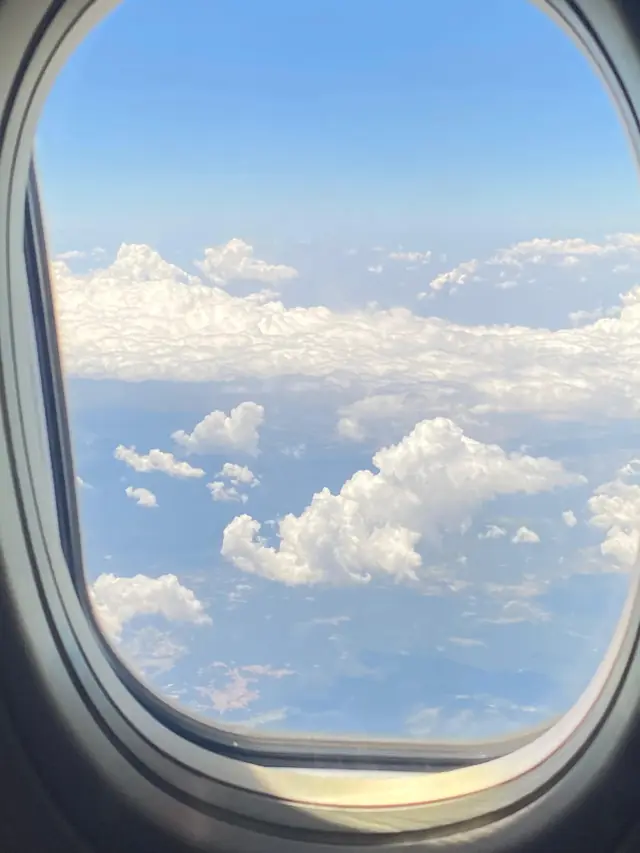
Seen from a window seat, even a shallow bank can put the ground right next to you, so the view can be more dramatic than the turn itself.
Why your body can be fooled
Your sense of balance relies partly on the semicircular canals in your inner ear, fluid-filled tubes that detect rotation. The FAA explains a few quirks that matter on a plane:2
- Slow rolls can go unnoticed. Rotation of about 2 degrees per second or less is below what the canals can detect, so a gentle roll into a turn may not register at all until you look outside.
- Steady turns stop feeling like turns. In a constant turn lasting more than about 20 seconds, the fluid catches up with the canal walls and the signal fades, so your brain may think the turn has ended.
- Levelling out can feel like turning the other way. When the wings level after that, the fluid keeps moving and can create a brief sensation of turning in the opposite direction.2
None of these is a sign that something is wrong. They're normal sensations that pilots learn about too, which is why pilots are taught to trust their instruments over body sensations.
What a good turn feels like
In a coordinated turn you're pressed gently down into your seat, because the turn raises the load slightly, rather than pushed sideways.1 If you feel that gentle extra weight as the wing dips, that's the turn working as intended.
If turns make you anxious
Knowing the sensation is coming helps. Breathe slowly through the turn. Our in-flight pack has a breathing exercise.
Keep reading
- Sounds on a flight, explained
- Choosing a seat when you're a nervous flyer
- What do air traffic controllers do?
- Why does it feel like the plane is dropping after takeoff?
Quick answers
Why do planes turn right after takeoff?
To head toward their route. After takeoff the tower hands the flight to departure control, which guides it onto its way; turning means banking the wings, because tilting the wing's lift is what turns an airplane.
How far do airliners bank?
The FAA's flight training handbook classes turns as shallow (about 20° or less), medium (about 20° to 45°) and steep (about 45° or more). From a window seat, even a shallow bank can look big.
Why does a turn feel steeper than it is?
Looking out of a side window, you see the ground tilted, and your inner ear's balance sensors can give misleading signals during turns. In a smooth, coordinated turn you're pressed gently down into your seat rather than sideways.
Why does it feel like we're turning the other way when the plane levels off?
Your inner ear's motion sensors adapt during a steady turn, so when the wings level you can briefly feel as if you're turning in the opposite direction. It's a well-known illusion, not something wrong with the airplane.
Sources
(3)
- FAA Airplane Flying Handbook (FAA-H-8083-3C), Chapter 3: Basic Flight Maneuvers
- FAA, Spatial Disorientation (pilot safety brochure)
- FAA Aeronautical Information Manual, Chapter 4, Section 1: Services Available to Pilots
Facts last checked against these sources: October 18, 2026.