How to prevent and ease motion sickness on a flight
Motion sickness on a plane comes from mixed signals between your inner ear and your eyes. A seat over the wing, a light meal, sleep and no alcohol help beforehand. On board, keep your head still, look at the horizon or close your eyes, get cool air on your face, breathe gently and sip water. Ask a pharmacist early if you want medicine.
In this article · 8 sections
Flying soon? Our 7-day program walks you through your trip one calm step a day, and you can try a lesson free first. See what's inside.
The short answer
Feeling queasy on a plane is common, and it isn't a sign that anything is wrong with you or the airplane. It happens because your senses disagree about whether you're moving. The good news is that small, simple things help: where you sit, what you eat, keeping your head still, cool air and gentle breathing.
Feeling sick right now? Open the queasy helper. It walks you through one calm step at a time, and it works in airplane mode.
Why flying can make you feel sick
Your inner ear senses movement: tilting, rising, slowing down. Your eyes, meanwhile, see a cabin that looks perfectly still. When those two signals don't match, your brain gets confused, and nausea, sweating, dizziness and tiredness can follow.2
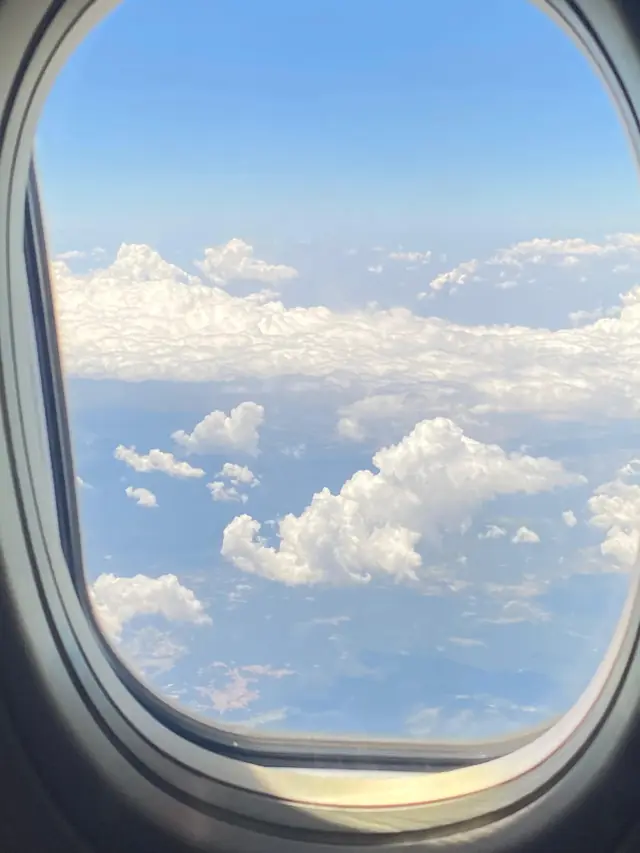
That's why reading or looking at a screen during bumps often makes it worse: your eyes are locked on something that isn't moving while your body feels the motion. It's also why looking out at the horizon helps. It lets your eyes see the same movement your inner ear feels.
Some people are more prone than others. Children under 2 rarely get motion sickness. It becomes more likely after that and peaks between about 7 and 12, then usually eases with age. People who get migraines are more prone too.1 Anxiety about travel, or about being sick, can make it worse.4
Before you fly
Choose your seat. Sit over the wing, near the middle of the airplane, where the motion is gentlest. A window seat lets you see the horizon.1 The seat guide helps you pick one.
Sleep well. Being short of sleep makes motion sickness worse.1
Eat light. A small, plain meal beforehand is better than a big, spicy or greasy one.23
Skip alcohol. Alcohol and smoking both make motion sickness more likely.1
Ask about medicine early. If you've been airsick before, talk to a pharmacist or doctor well before your trip, not at the gate. Some antihistamines sold over the counter and a prescription skin patch are used for motion sickness, and most work best taken before you travel. Many cause drowsiness, and every one has side effects. The non-drowsy antihistamines used for hay fever don't seem to work for motion sickness.1 Ask a pharmacist especially if the medicine is for a child, if you're pregnant, or if you take other medicines. Some motion sickness medicines aren't suitable for children at all.1
Pack a small kit. Plain crackers, an empty water bottle to fill after security, headphones and something to listen to. Ginger sweets too, if you like them.
In your seat, when it starts
Head back, keep it still. Rest your head against the headrest and avoid turning or nodding.3 If you can recline a little, do.
Eyes on the horizon, or closed. Look out of the window at the horizon or a distant, still point. No window? Close your eyes.23
Put the book and phone down. Reading and screens during bumps make the mismatch worse.2 Listen to music or a podcast instead.
Cool air on your face. Twist the air vent fully open and point it at your face. Fresh air on the face is one of the distractions the CDC Yellow Book suggests.1 A cold can or a damp napkin on your wrists or the back of your neck can feel good too.
Breathe gently, not deeply. Big gulps of air don't help. Try soft, regular breaths at about the pace you breathe when you're resting. This "controlled breathing" seems to do more than just distract you.1
Small sips. Sip cold water and nibble a plain cracker if you can face it. Skip coffee and alcohol for now.3
Wristbands, the P6 point and ginger
Acupressure wristbands press on a point on the inner wrist called P6. To find it, turn your palm toward you, lay three fingers across your wrist just below the crease, and press just below them, between the two tendons. Press firmly but not painfully for a couple of minutes, then switch wrists.5 The queasy helper has a picture.
To be honest about the evidence: lab trials found acupressure bands work no better than a placebo. Placebo effects can be strong, though, so if bands help you, they may still be worth using. Ginger's evidence is weak and contradictory.1 Both are low-risk to try. Ginger may not suit everyone, so check with a pharmacist if you take blood thinners.
The sick bag, and the crew
The sick bag is usually in the seat pocket in front of you, often behind the safety card. Check it's there when you sit down, so you're not hunting for it later. If it's missing, ask. Cabin crew carry spares.
Flight attendants help airsick passengers all the time, so you're not being a bother. Press the call button (usually above your seat, on the armrest or on the seat-back screen) and tell them you feel sick. They can bring water, a cold towel and extra bags. If it would help, mention at boarding that you get airsick. See should I tell the flight attendant I'm nervous?
When worry and nausea feed each other
Nausea can make you anxious, and anxiety can make you feel sicker.4 A racing heart, a hot face and a churning stomach can feel like one big alarm. Breaking that loop helps both:
- The cool-down uses cold and fresh air, which help both feelings.
- Gentle breathing slows things down. Choose a rhythm that feels easy, not effortful.
- 5-4-3-2-1 grounding brings your attention back to your seat.
- If it's happening right now, tap "I feel sick" on the anxious-right-now page.
When to get medical help
Most airsickness fades once the motion stops. Tell a flight attendant straight away if you have chest pain, severe stomach pain, a sudden severe headache, confusion, blurred vision, blood in your vomit, or signs of dehydration such as a very dry mouth or feeling faint when you stand up.6 After the flight, see a doctor if vomiting goes on for more than two days, or for more than a day in a child under 2.6 Crew are trained to help, and they can get medical advice from the ground. See what happens if someone gets sick on a plane.
The calm takeaway: sit over the wing, eat light, skip the alcohol and ask a pharmacist early if you want medicine. On board, keep your head still, look far away or close your eyes, get cool air on your face, breathe gently and sip. And the crew are glad to help.
Keep reading
- Feeling queasy? The step-by-step helper
- How to calm down on a plane
- What happens if someone gets sick on a plane
- Fear of flying: practical things that help
- For a full week of preparation, try 7 days to your flight; the in-flight pack works offline once you've opened it, and the free newsletter sends calm explainers.
Quick answers
What is the best seat on a plane for motion sickness?
A seat over the wing, by a window if you can. The middle of the airplane moves the least, and a window lets you see the horizon, which gives your eyes the same story your inner ear is feeling. The CDC Yellow Book recommends sitting near the wings.
Do motion sickness wristbands work on planes?
The evidence is weak. Lab trials found acupressure bands work no better than a placebo, but placebo effects can be strong, so if bands help you they are low-risk to use. The same goes for ginger: the evidence for it is weak and contradictory.
Should I take motion sickness medicine before a flight?
Ask a pharmacist or doctor well before you travel, especially for a child, in pregnancy or if you take other medicines. Motion sickness medicines tend to work best taken before the journey, and many of them cause drowsiness. The non-drowsy antihistamines used for allergies don't seem to work for motion sickness.
What should I do if I feel sick on the plane?
Lean your head back and keep it still, look at the horizon or close your eyes, point the air vent at your face, breathe gently at your normal pace and sip water. If you're still feeling it, press the call button and tell the crew. The sick bag is usually in the seat pocket in front of you.
Have a flight coming up? Our 7-day calm flight program walks you through it one short step a day, with guided audio that works in airplane mode. $29 one-time, with a free sample to try first.
Sources
(6)
- CDC Yellow Book 2026, Motion sickness
- NHS, Motion sickness
- Mayo Clinic, Motion sickness: first aid
- Merck Manual Professional Edition, Motion sickness
- MedlinePlus, Nausea and acupressure
- Mayo Clinic, Nausea and vomiting: when to see a doctor
Facts last checked against these sources: October 28, 2026.