Claustrophobia on a plane: coping when you feel trapped
Closed doors, narrow aisles and a seat belt sign can make anyone feel boxed in, and for people with claustrophobia it can tip into panic. Here's why it happens, what the rules say about the air you breathe on board, and practical things that help before and during the flight.
In this article · 8 sections
Flying soon? Our 7-day program walks you through your trip one calm step a day, and you can try a lesson free first. See what's inside.
You're not the only one
The door closes, the aisle fills up, and suddenly the cabin feels very small. If that's the moment your chest tightens, you're in good company. The NHS estimates that around 10% of people in the UK are affected by claustrophobia at some point in their lives, and it lists planes alongside lifts and tunnels as common triggers.1
Feeling trapped is also one of the most common parts of fear of flying, even for people who are fine in a lift. It's not a weakness, and it's very treatable.
Feeling shut in right now? Open the "I feel trapped" help on the anxious-right-now page. It's one tap, and it works offline.
Flying for Thanksgiving or Christmas? Holiday flights are fuller, and winter brings de-icing lines and weather holds, so you may spend longer sitting on the plane before take-off. U.S. rules limit how long you can be kept on board and require food, water and updates. See stuck on the plane during a holiday delay. If the gate itself is the hard part, read scared to get on the plane?
Why a plane can feel so tight
Claustrophobia is a fear of being in a closed space with no easy way out. On a plane, several things stack up at once:
- The door closes, and you can't leave when you want.
- The space is narrow, with people close on every side.
- The seat belt sign can feel like being held in place.
- Turbulence can set it off too. The NHS mentions turbulence as one of the unpleasant experiences that can trigger claustrophobia.1
Your body reads all of that as "trapped" and sets off its alarm: a racing heart, sweating, shortness of breath, hot flushes, or a strong urge to get out.1 Those feelings are horrible, but they aren't dangerous, and they pass.
The air: what's really happening
One of the scariest thoughts is "I can't breathe in here." It helps to know that air in an airliner cabin is never still.
Under US design rules, every airliner must supply at least 0.55 pounds of fresh air per minute for each person on board, and keep carbon dioxide at or below 0.5%.3 Fresh air is constantly brought in and circulated through the cabin, during the whole flight.
So the stuffy, can't-get-a-breath feeling isn't the cabin running out of air. It's anxiety making your breathing faster and shallower. The fix is to slow your breathing down, not to find more air.
Small thing that helps a lot: open the air vent above your seat and point it at your face. A cool stream of air on your skin tells your body there's plenty of air, and it can calm the alarm quickly.
"But I can't get out"
For many claustrophobic flyers, the hardest thought is about the door. Two facts can help:
- At cruising altitude, the doors are held shut by cabin pressure, with more force than any person can overcome, and they have latches and locks on top. Here's why a plane door can't open in flight.
- Airliners are designed to be emptied fast. Before a large airliner is certified, the manufacturer must show that all passengers and crew can get out in 90 seconds or less.4
And on most flights, once the seat belt sign is off, you can stand up, walk to the galley, stretch and come back.
Before the flight
A little planning can make the cabin feel more open:
- Choose your seat with space in mind. Many people with claustrophobia prefer an aisle seat, so they can see down the cabin and get up easily. Others feel better at a window, looking out at the sky. Our seat guide and best seats for nervous flyers can help you pick.
- Board later if your airline allows it. Less time sitting in a full cabin at the gate can mean less time to build up.
- Know the shape of the day. Look up your flight in My Flight. It shows what to expect at each stage, from the gate to landing, so nothing comes as a surprise.
- Practice the breathing at home. The NHS suggests breathing in gently through your nose and out through your mouth, counting to 5 each way, for at least 5 minutes.2 Practicing when you're calm makes it easier to use when you're not.
During the flight
If the trapped feeling comes, try these in order:
- Open the air vent and point it at your face.
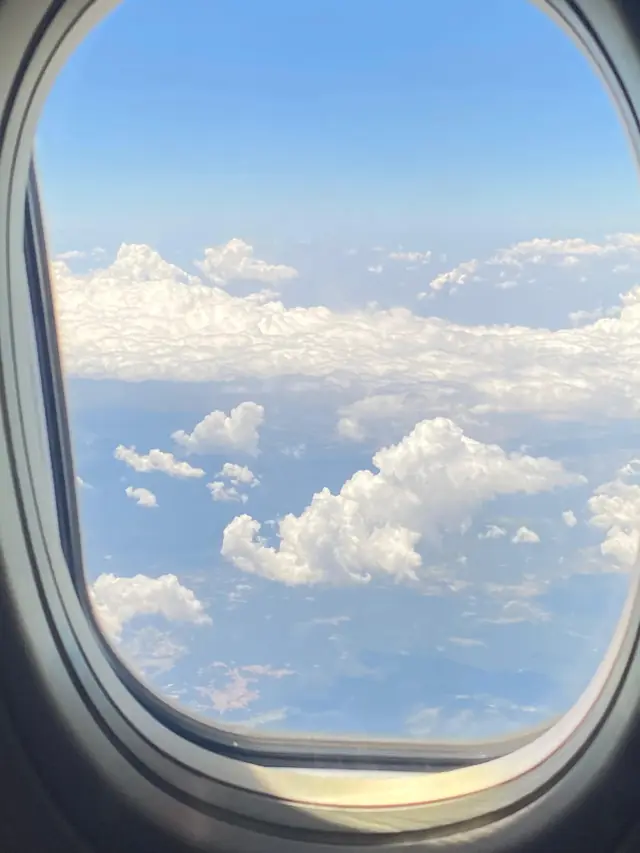
- Look far away. Find the furthest point you can see, out of the window or down the aisle. A wider view tells your brain the space is bigger than it feels.
- Breathe out slowly, longer than you breathe in. Try our breathing exercise.
- Ground yourself. Name 5 things you can see, 4 you can hear, 3 you can touch. Here's the full 5-4-3-2-1 grounding.
- Ride the wave. The NHS says a panic attack usually peaks within about 10 minutes, and most last between 5 and 30 minutes. It suggests staying where you are and focusing on something that isn't threatening, like the time passing on a watch.1
- Tell a flight attendant. They see anxious flyers every day. A glass of water, a few kind words or a chat in the galley can help.
Longer-term help
Claustrophobia responds well to treatment. The NHS lists talking therapies such as cognitive behavioural therapy (CBT) and exposure therapy, where you face the feeling gradually and safely. It also notes that avoiding the places that scare you can make the fear stronger over time.1 If it's affecting your life beyond flying, talk to your doctor.
For flying in particular, our 7-day program (Days 1–2 are free to try) builds up step by step, so each part of a flight becomes familiar before you get there.
The calm takeaway: the cabin is full of fresh air, the trapped feeling is your body's alarm, and it passes. Vent on, eyes far away, long breaths out, and keep the "I feel trapped" help one tap away.
Want a plan on paper? The free Calm Flight Checklist covers the week before, airport day and each stage of the flight, including what to do if you start to feel shut in.
Keep reading
- How to calm down on a plane
- Can a plane door open in flight?
- Best seats for nervous flyers
- Motion sickness on a plane
- Stuck on the plane during a holiday delay?
- Scared to get on the plane? What to do at the gate
- Pack your calm tools before you fly with the in-flight pack.
Quick answers
Is claustrophobia on a plane common?
Yes. The NHS estimates that around 1 in 10 people in the UK are affected by claustrophobia at some point in their lives, and lists planes among the places that can trigger it. Feeling shut in is one of the most common parts of flight anxiety.
Will I run out of air on a plane?
No. Airliners are built to supply fresh air to every person on board, every minute. US design rules require at least 0.55 pounds of fresh air per minute for each occupant and keep carbon dioxide low. The stuffy feeling is anxiety, not a lack of air.
What's the best seat if I'm claustrophobic?
Many claustrophobic flyers prefer an aisle seat, so they can see down the cabin and stand up when the seat belt sign is off. Others prefer a window, so they can look outside. Pick whichever gives you the feeling of space.
What should I do if I feel trapped during the flight?
Open the air vent and point it at your face, look at a far point, and breathe out slowly. The NHS says panic usually peaks within about 10 minutes. When the seat belt sign is off, you can stand, stretch or ask the crew for water.
Sources
(4)
- NHS, Claustrophobia
- NHS, Breathing exercises for stress
- eCFR, 14 CFR 25.831 Ventilation
- eCFR, 14 CFR 25.803 Emergency evacuation
Facts last checked against these sources: November 11, 2026.