Why do planes suddenly drop? "Air pockets", explained
That stomach-lurching feeling is real, but the drop is usually much smaller than it feels. Here's what's going on.
In this article · 6 sections
There's no hole in the sky
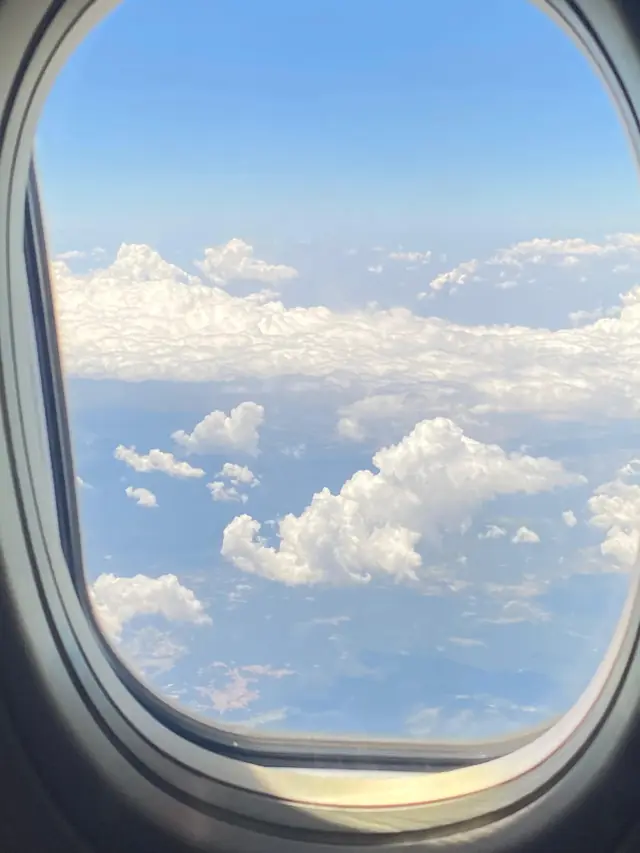
"Air pocket" is a popular phrase, but there are no empty patches in the atmosphere for an airplane to fall into. What you feel is the airplane flying through air that's moving: a column rising, then a column sinking, or swirling air near a jet stream. The FAA describes turbulence as air movement that normally can't be seen, caused by things like jet streams, air flowing over mountains, weather fronts and thunderstorms. It notes turbulence is normal, happens often, and can occur even when the sky looks clear.1
Think of a boat. When it crosses a wave, it rises and falls, but it's never "falling into a hole in the water".
Why it feels like a big drop
Your inner ear is very good at sensing sudden changes in motion, and very bad at judging how far you moved. A short, sharp downward bump can feel like a plunge even when it's small. That's why a short jolt can trigger such a strong fear response, and why it helps to know what's happening.
The FAA's official scale tells you how pilots describe it. Even in moderate turbulence, "the aircraft remains in positive control at all times".2
Clear air turbulence: bumps out of nowhere
Bumps in a blue sky can feel extra unsettling, because there's nothing to see. Pilots call this clear air turbulence: the FAA's definition covers turbulence above 15,000 feet that isn't associated with cumulus-type clouds.2 Pilots who meet it report where, when and how strong it was, so crews behind them can plan around it.2 That sharing of reports is one reason the seat belt sign sometimes comes on before you feel anything.
Where the risk really is
The NTSB's study of turbulence on US airlines found that most turbulence accidents meant serious injuries inside the cabin but no damage to the airplane, and flight attendants were the people most often hurt.3 The FAA warns that passengers who aren't wearing seat belts can be thrown from their seats without warning.1 So the protection is simple.
Keep your seat belt buckled at all times when you're seated.1 With it on, a jolt stays a jolt.
A 60-second reset when your stomach lurches
- Check your belt is fastened.
- Breathe in gently for a count of 5, and out for a count of 5. Keep going. (It's the same exercise as our breathing timer.)
- Remind yourself: air is moving, like a wave under a boat. The airplane is built for this.
Keep reading
Quick answers
Are air pockets real?
There are no empty holes in the sky. What people call an air pocket is the airplane meeting air that is moving up or down, like a boat crossing a wave. It's turbulence.
How far does a plane drop in turbulence?
It usually feels much bigger than it is. Your inner ear senses sudden changes very strongly but is poor at judging distance. The FAA defines even moderate turbulence as keeping the aircraft in positive control at all times.
Why does turbulence happen in clear skies?
Air can be churning even without clouds, for example near jet streams. Pilots call it clear air turbulence and report it so crews behind them can plan around it.
What protects me when the plane drops?
Your seat belt. The FAA warns that unbuckled passengers can be thrown from their seats without warning, so keep it fastened whenever you're seated.