Red-eye flights when you're anxious: how to rest (or at least relax)
Overnight flights add tiredness to nerves, and lying awake in a dark cabin can make worries louder. Here are calm, sourced tips on caffeine, alcohol, noise and breathing, and why it's fine if you don't sleep at all.
In this article · 5 sections
Why red-eyes can feel harder
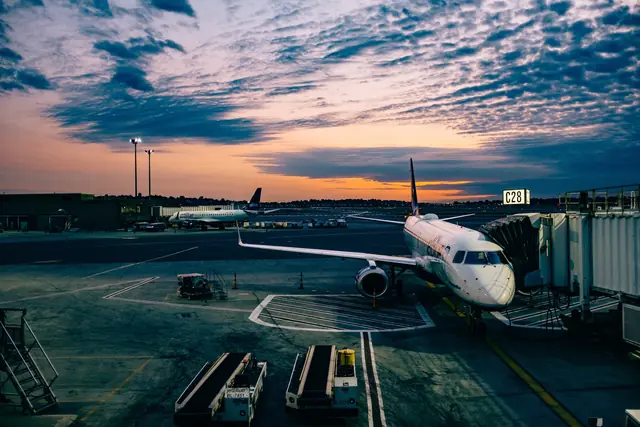
At night, the cabin goes dark and quiet, and there's less to distract you. If you're a nervous flyer, that can make every bump and sound feel bigger. Add tiredness, and it's no wonder overnight flights have a reputation.
It helps to know that a plane cabin is a hard place for anyone to sleep. The NHS lists stress or anxiety, noise and a room that's too hot or cold among common causes of poor sleep, along with alcohol, caffeine and jet lag.1 If you lie awake, nothing is wrong with you.
Before you fly
- Go easy on caffeine. The NHS advises not having energy drinks or caffeine after 3pm, as they can affect your sleep and make anxiety worse.2
- Think twice about a "nightcap". Alcohol is on the NHS list of things that cause poor sleep, and its advice is not to drink alcohol, tea or coffee in the hours before bed.1
- Avoid a big meal late at night, another NHS sleep tip.1
On board
- Plan for noise and temperature. Since both disturb sleep,1 earplugs or headphones and an extra layer can make the cabin feel more like a bedroom.
- Keep your seat belt fastened while seated, as the FAA recommends at all times, since turbulence often occurs unexpectedly.4
- Breathe slowly if you wake up anxious. The NHS breathing exercise works lying back in a seat too: breathe gently in through your nose and out through your mouth, counting from 1 to 5 each way, for a few minutes.3
If you don't sleep at all
Then rest. Close your eyes, listen to something familiar, and let the flight do the work. Our in-flight pack has a breathing exercise and short explainers you can read offline, and Sounds on a flight explains the noises you might hear in the quiet.
Keep reading
- How to calm down on a plane
- Turbulence: uncomfortable, but not dangerous
- Why does the seat belt sign stay on?
Quick answers
Should I drink coffee before a red-eye flight?
If you're anxious and want to sleep, probably not late in the day. The NHS advises against energy drinks or caffeine after 3pm, as they can affect sleep and make anxiety worse.
Does alcohol help you sleep on a plane?
The NHS lists alcohol, along with caffeine and nicotine, among common causes of poor sleep, and advises not drinking alcohol in the hours before bed.
What if I can't sleep on an overnight flight?
That's fine. Stress and anxiety, noise and a room that's too hot or cold are all listed by the NHS as common causes of poor sleep, so a plane cabin is a hard place to sleep for anyone.
Should I keep my seat belt on while sleeping?
Yes. The FAA recommends keeping your seat belt fastened at all times while seated, because turbulence can happen unexpectedly.
Sources
(4)
Facts last checked against these sources: October 18, 2026.