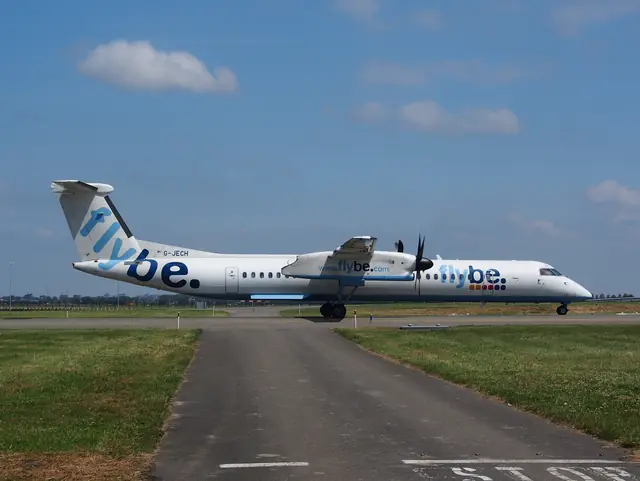
N8100L1989 Dehavilland DHC-8-103
Timeline
- Built (Dehavilland DHC-8-103)Serial number 146
- NTSB accident record SEA92LA175Damage: Substantial · Highest injury: None
- NTSB accident record SEA05CA055Damage: Substantial · Highest injury: Minor
- Current registration certificate issuedOwner type: Corporation
- Airworthiness certificate issuedClass: Standard
- Latest FAA registry actionMost recent change recorded in the FAA registry
- Registration expiresValid
From FAA registry and NTSB records. Registration dates reflect paperwork, not flights.
The aircraft
- Make & model
- Dehavilland DHC-8-103
- Category
- Fixed-wing airplane, multi-engine
- Year built
- 1989
- Engine type
- Turboprop · 2 engines
- Engine model
- P&W CANADA PW120A (1,800 hp)
- Max takeoff weight class
- 20,000 lb and over
- Serial number
- 146
Registration
- Status
- Valid
- Expires
- Oct 31, 2029
- Certificate issued
- Oct 23, 2013
- Airworthiness class
- Standard
- Owner type
- Corporation
- Registered owner
- DYNAMIC AVLEASE INC
The registered owner is often a bank, leasing company or trust, not necessarily the airline or person who flies it.
What kind of aircraft is this?
In plain terms, it's a turboprop multi-engine airplane. Certification: Type certificated (factory design approved by the FAA).
There are 2 aircraft of this exact model variant on the US register, and about 576 Dehavilland aircraft with closely related model designations, out of 317,717 registered aircraft in total.
An aircraft's age on its own says little about how safe it is: airliners are maintained on strict, regulator-approved schedules, and inspections become more detailed as aircraft get older. More about the De Havilland Canada Dash 8 / Q400 →
NTSB accident & incident history for N8100L
2 records found. An "incident" is a less serious event; an "accident" involves serious injury or substantial damage, as defined by the NTSB. Many records involve no injuries at all.
-
Mar 6, 2005 (01:15 UTC)Accident · Waldport, ORNTSB #SEA05CA055Aircraft in report: Cessna 172HDamage: SubstantialHighest injury: Minor
The aircraft in this report is listed differently from the current registration. N-numbers can be reassigned, so this may have been a different aircraft.
NTSB probable cause: The pilot's failure to attain sufficient altitude/clearance during the takeoff initial climb, which resulted in an inflight collision with trees. A factor was the tall grass on the turf runway, which slowed the airplane's acceleration during the takeoff roll.
-
Aug 9, 1992 (17:00 UTC)Accident · Lakeview, ORNTSB #SEA92LA175Aircraft in report: CESSNA 172HDamage: SubstantialHighest injury: None
The aircraft in this report is listed differently from the current registration. N-numbers can be reassigned, so this may have been a different aircraft.
NTSB probable cause: THE PILOT'S FAILURE TO MAINTAIN DIRECTIONAL CONTROL. FACTORS INCLUDE SOFT TERRAIN.
Look up full reports by NTSB number in CAROL, the NTSB's public database.
Data: FAA Releasable Aircraft Database (file dated 2026-10-16) and NTSB aviation accident database; refreshed 2026-10-17 20:47 UTC. SafelyAboard shows public records only and does not rate or score aircraft, airlines or operators.