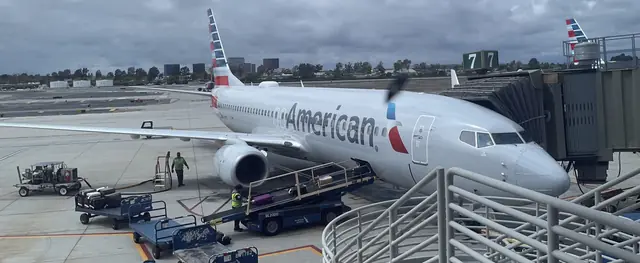
N757LV1999 Boeing 737-7H4
Timeline
- NTSB accident record FTW85FA159Different aircraft that previously used this N-number. Damage: Destroyed · Highest injury: Fatal
- Built (Boeing 737-7H4)Serial number 29850
- Airworthiness certificate issuedClass: Standard
- Current registration certificate issuedOwner type: Corporation
- NTSB accident record CHI04LA148Damage: Not recorded · Highest injury: Serious
- Latest FAA registry actionMost recent change recorded in the FAA registry
- Registration expiresValid
From FAA registry and NTSB records. Registration dates reflect paperwork, not flights.
The aircraft
- Make & model
- Boeing 737-7H4
- Category
- Fixed-wing airplane, multi-engine
- Year built
- 1999
- Engine type
- Turbofan (jet) · 2 engines
- Engine model
- CFM INTL. CFM56 SERIES (2,200 hp)
- Max takeoff weight class
- 20,000 lb and over
- Serial number
- 29850
Registration
- Status
- Valid
- Expires
- Mar 31, 2029
- Certificate issued
- Dec 1, 1999
- Airworthiness class
- Standard
- Owner type
- Corporation
- Registered owner
- SOUTHWEST AIRLINES CO
The registered owner is often a bank, leasing company or trust, not necessarily the airline or person who flies it.
What kind of aircraft is this?
The Boeing 737 is a twin-engine, single-aisle jet airliner that has been in production since the 1960s through several generations (Original, Classic, Next-Generation and MAX). It is one of the most widely flown airliner families in the world, used for short and medium-haul routes.
In plain terms, it's a jet (turbofan) multi-engine airplane. Certification: Type certificated (factory design approved by the FAA).
There are 232 aircraft of this exact model variant on the US register, and about 2,878 Boeing aircraft with closely related model designations, out of 317,717 registered aircraft in total. That's a well-established type that mechanics, pilots and regulators know very well.
An aircraft's age on its own says little about how safe it is: airliners are maintained on strict, regulator-approved schedules, and inspections become more detailed as aircraft get older. More about the Boeing 737 →
NTSB accident & incident history for N757LV
2 records found. An "incident" is a less serious event; an "accident" involves serious injury or substantial damage, as defined by the NTSB. Many records involve no injuries at all.
-
Jun 4, 2004 (23:17 UTC)Accident · Liberal, KSNTSB #CHI04LA148Aircraft in report: Boeing 737-7H4Damage: Not recordedHighest injury: Serious
NTSB probable cause: The adverse weather encountered during cruise flight by the flight crew and the flight attendant not being restrained. A contributing factor was the convective activity.
-
Mar 23, 1985 (00:00 UTC)Accident · Bixby, OKNTSB #FTW85FA159Aircraft in report: CESSNA 152Damage: DestroyedHighest injury: Fatal
This happened before the current aircraft was built, so it involved a different aircraft that previously used this N-number.
Look up full reports by NTSB number in CAROL, the NTSB's public database.
Data: FAA Releasable Aircraft Database (file dated 2026-10-16) and NTSB aviation accident database; refreshed 2026-10-17 20:47 UTC. SafelyAboard shows public records only and does not rate or score aircraft, airlines or operators.