N757FT Boeing 737-7CT
Timeline
- NTSB accident record LAX98FA045ADamage: Destroyed · Highest injury: Fatal
- Current registration certificate issuedOwner type: Corporation
- Registration expiresValid
From FAA registry and NTSB records. Registration dates reflect paperwork, not flights.
The aircraft
- Make & model
- Boeing 737-7CT
- Category
- Fixed-wing airplane, multi-engine
- Year built
- Not listed
- Engine type
- Turbofan (jet) · 2 engines
- Max takeoff weight class
- 20,000 lb and over
- Serial number
- 32757
Registration
- Status
- Valid
- Expires
- Sep 30, 2033
- Certificate issued
- Sep 18, 2026
- Owner type
- Corporation
- Registered owner
- UMB BANK NA TRUSTEE
The registered owner is often a bank, leasing company or trust, not necessarily the airline or person who flies it.
What kind of aircraft is this?
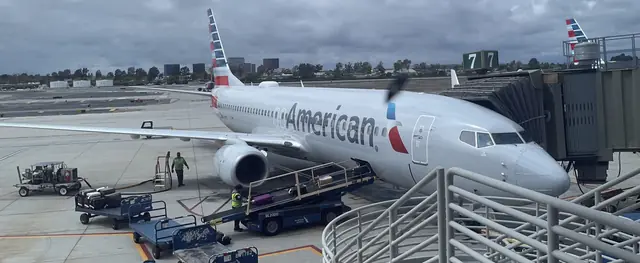
The Boeing 737 is a twin-engine, single-aisle jet airliner that has been in production since the 1960s through several generations (Original, Classic, Next-Generation and MAX). It is one of the most widely flown airliner families in the world, used for short and medium-haul routes.
In plain terms, it's a jet (turbofan) multi-engine airplane. Certification: Type certificated (factory design approved by the FAA).
There are 19 aircraft of this exact model variant on the US register, and about 2,878 Boeing aircraft with closely related model designations, out of 317,717 registered aircraft in total.
An aircraft's age on its own says little about how safe it is: airliners are maintained on strict, regulator-approved schedules, and inspections become more detailed as aircraft get older. More about the Boeing 737 →
NTSB accident & incident history for N757FT
1 record found. An "incident" is a less serious event; an "accident" involves serious injury or substantial damage, as defined by the NTSB. Many records involve no injuries at all.
-
Nov 25, 1997 (19:32 UTC)Accident · El Cajon, CANTSB #LAX98FA045AAircraft in report: Cessna 152Damage: DestroyedHighest injury: Fatal
The aircraft in this report is listed differently from the current registration. N-numbers can be reassigned, so this may have been a different aircraft.
NTSB probable cause: The pilot of the other aircraft's failure to recognize and follow the aircraft on the downwind as instructed. Factors influencing this accident were the pilot's failure to see and avoid the other aircraft; the flight instructor's inadequate supervision of the flight; the pilot of the other aircraft's failure to verify the controller's instructions; the altitude limitation of the Brite radar repeater in the tower cab that prevented its use in traffic pattern separation; and the prevailing haze which restricted visibility.
Look up full reports by NTSB number in CAROL, the NTSB's public database.
Data: FAA Releasable Aircraft Database (file dated 2026-10-16) and NTSB aviation accident database; refreshed 2026-10-17 20:47 UTC. SafelyAboard shows public records only and does not rate or score aircraft, airlines or operators.